
The Six Bhavas (Aspects) of the Fetus
According to Charak Samhita: What does the baby receive, from where, and how?
Why do babies share certain traits with their mother, some with their father, and yet possess completely unique characteristics of their own? How are their body, mind, temperament, and distinct identity formed?
Maharishi Charak did not limit fetal formation to just the egg and the sperm. The Charak Samhita describes six Bhavas (foundational aspects)—Matruj, Pitruj, Atmaj, Satmyaj, Rasaj, and Satvaj—responsible for the physical and mental development of the fetus.
Along with each Bhava, a modern equivalent is provided here to help you understand it in today's context.
The Six Bhavas
 Bhava 1
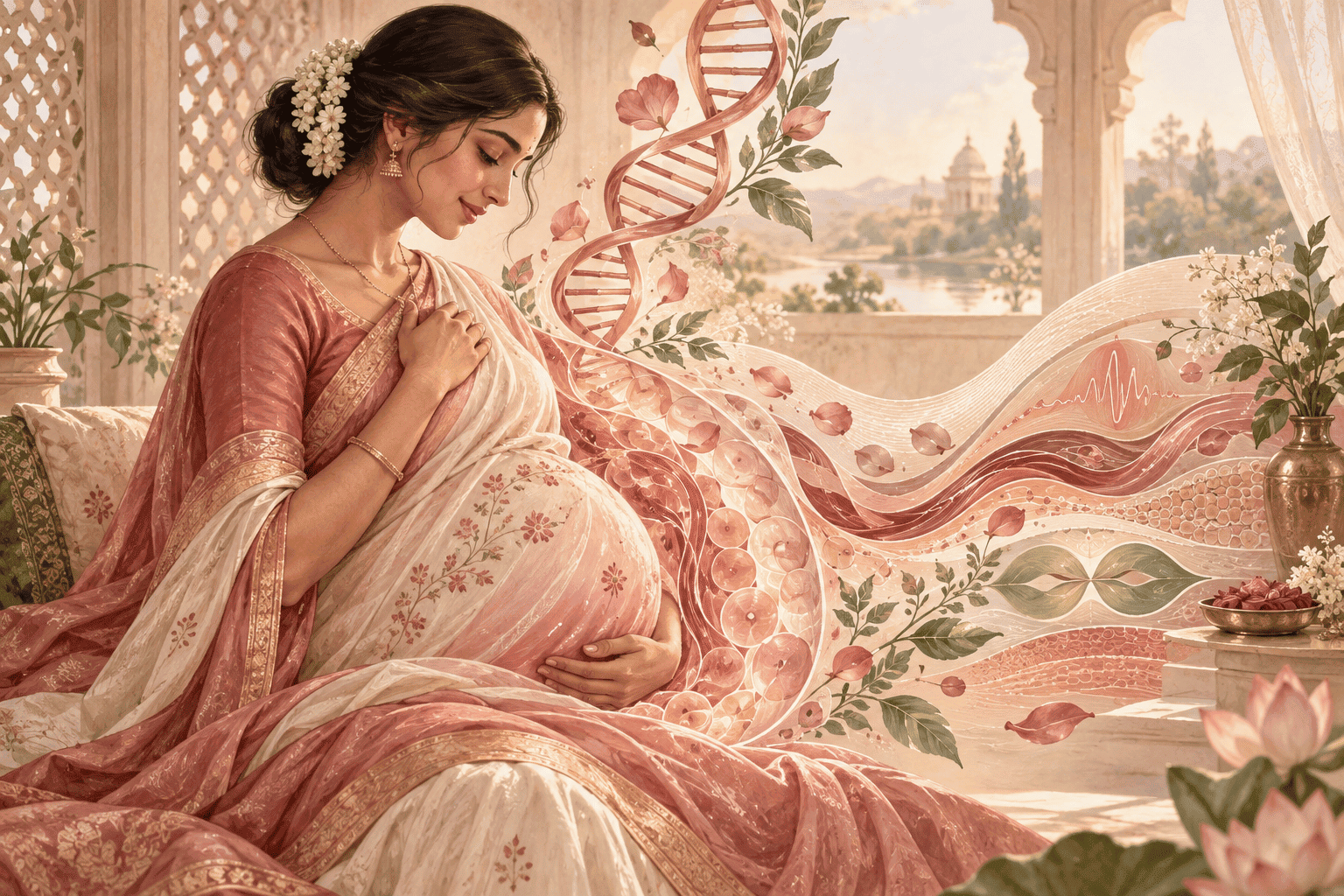
The Mother's Biological Contribution and DNA
The contribution from the mother in creating the fetus is called Matruj Bhav. The Charak Samhita links it primarily to the formation of the baby's delicate and soft organs.
Organs like the heart, navel, skin, fat, blood, flesh, bladder, pelvis, liver, spleen, pancreas, kidneys, intestines, and rectum are associated with Matruj Bhav.
The mother's egg contributes half of the baby's DNA. During pregnancy, the mother's body, uterus, and placenta provide the necessary nutrition and a safe environment for development.
 Bhava 2
The Father's Biological Contribution and DNA
The father's contribution to the formation of the fetus is called Pitruj Bhav. The Charak Samhita connects it mainly to the baby's stable and strong structures.
Hair, teeth, nails, facial hair, bones, veins, muscles, arteries, and certain traits linked to fertility are included in Pitruj Bhav.
The father's sperm also contributes half of the baby's DNA. Therefore, both mother and father have equal biological importance in creating the child.
 Bhava 3
The Baby's Unique Identity and Consciousness
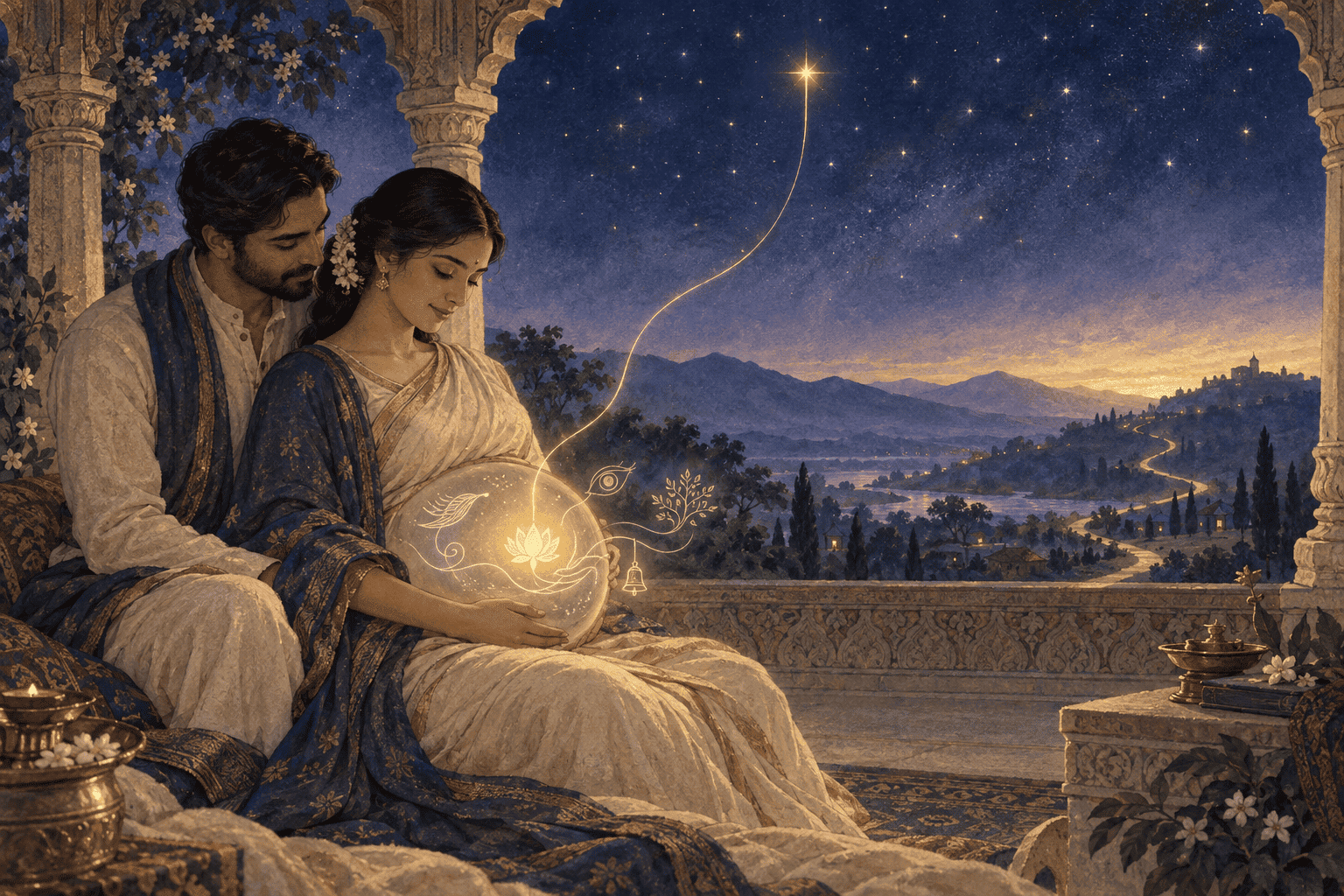
Based on Charak's spiritual perspective, the aspect related to the soul entering the womb is Atmaj Bhav. This is not derived from the parents; it is linked to the soul's own journey, past impressions (Samskaras), and unique consciousness.
Knowledge, mind, senses, life force (Prana), inspiration, retention, voice, complexion, the experience of joy and sorrow, desire, patience, intellect, ego, consciousness, memory, and lifespan are associated with Atmaj Bhav.
Even siblings from the same parents can differ vastly in nature, preferences, and abilities. Every child has their own unique identity.
 Bhava 4
Lifestyle, Adaptability, and Environment
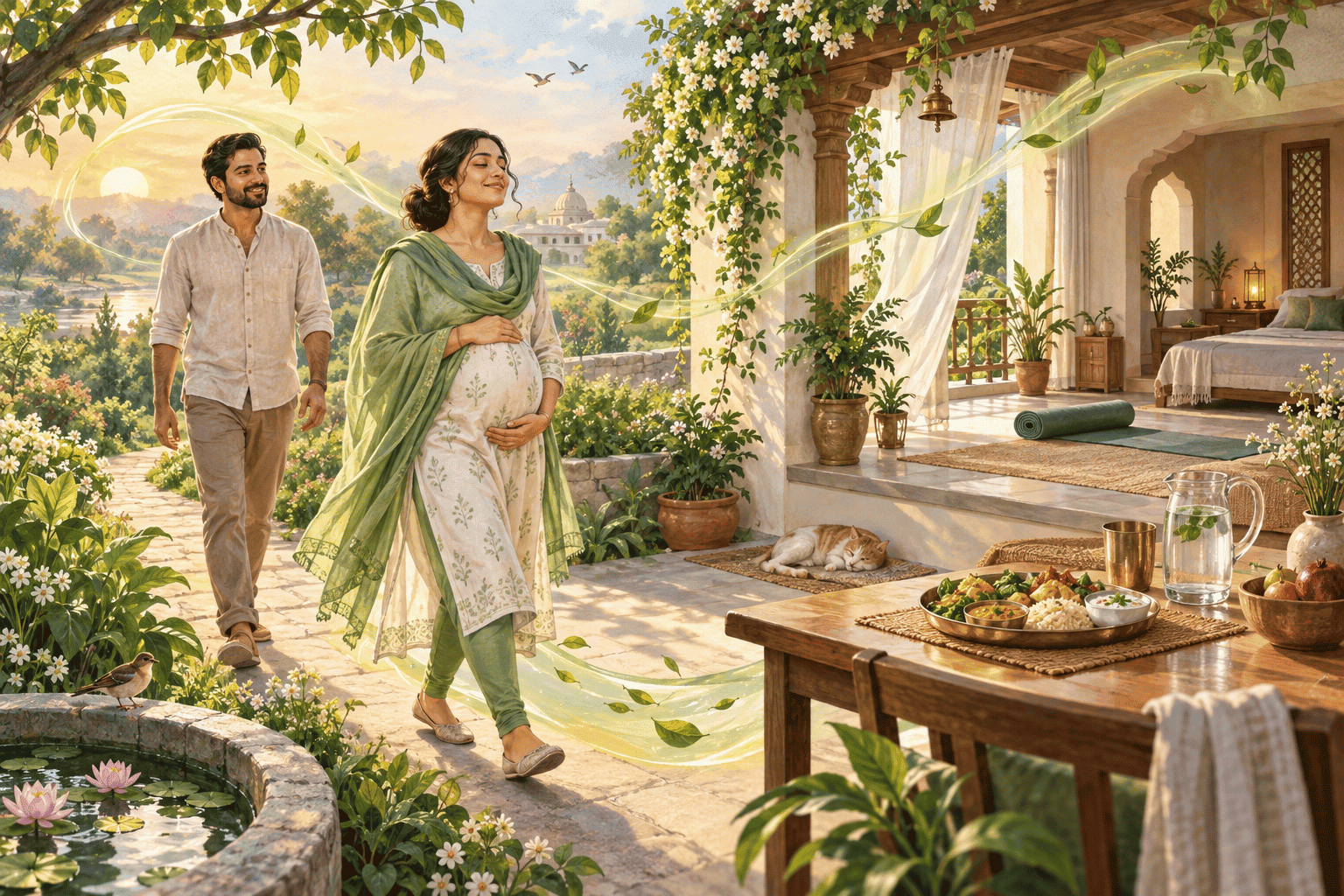
Diet, habits, and lifestyle that have become agreeable to the body and mind are called Satmya in Ayurveda. The foundation derived from this is Satmyaj Bhav.
Qualities like good health, enthusiasm, sensory wellness, fertility, a cheerful disposition, and a healthy complexion are linked to Satmyaj Bhav.
This concept aligns with lifestyle, physical adaptability, and surrounding environment. Diet, sleep, exercise, stress, and other environmental factors can influence the mother's health and impact the baby's physical development (Epigenetics).
 Bhava 5
Nutrition and Fetal Development
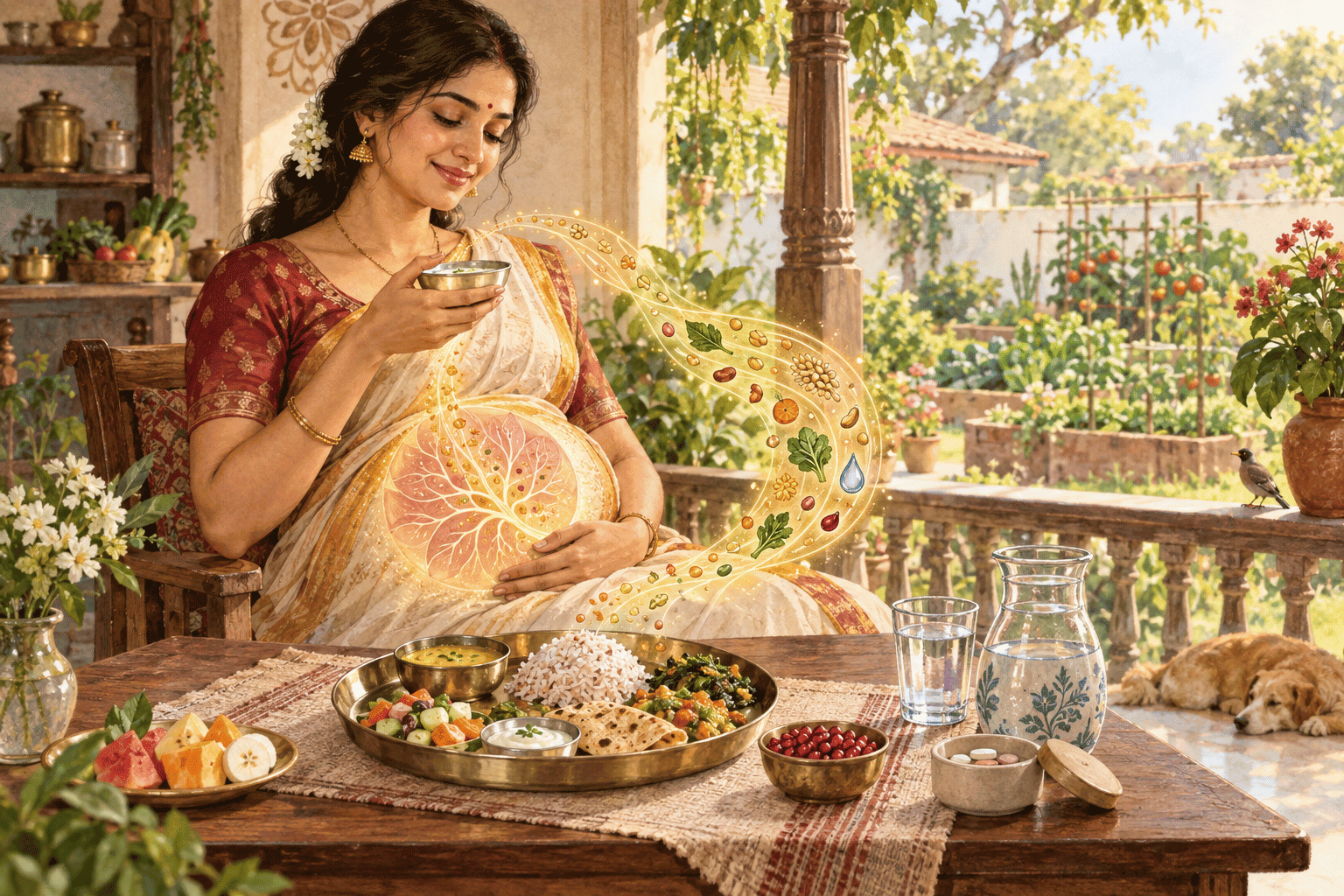
In Ayurveda, the nutrient essence derived from digested food is called Ras. The nourishment the fetus gets from this essence is Rasaj Bhav.
The formation of the body, growth, satisfaction, nourishment, and enthusiasm are associated with Rasaj Bhav.
Nutrients from the mother's diet reach the baby through the placenta and umbilical cord, fueling their growth.
 Bhava 6
Mind, Temperament, and Emotional Environment
The foundation connected to the mind and psychological tendencies is called Satvaj Bhav. According to Charak, these traits manifest in varying proportions in every individual.
Mental traits such as devotion, attachment, purity, anger, drowsiness, irritability, gentleness, seriousness, restlessness, sacrifice, bravery, fear, aggression, and jealousy are linked to Satvaj Bhav.
A baby's temperament isn't shaped by a single thought or event. It is a combination of genetics, brain development, innate nature, and the future family environment. A calm and supportive environment during pregnancy is crucial for the mother's mental well-being.
These six Bhavas from the Charak Samhita teach us that shaping a child is not merely the creation of a physical body. It includes the contribution of both parents, nutrition, lifestyle, the mental environment, and the child's own unique consciousness.
A new life doesn't just happen to be born—it is gradually shaped through a beautiful synthesis of body, nourishment, mind, values, and consciousness.
Expert-picked from 5,000+, personalised to your exact pregnancy day:
Personalised daily pre-conception routine to prepare your body, mind and relationship:
Live pregnancy yoga with India's best gurus, every day till delivery.
Live pre-pregnancy yoga with India's best gurus, throughout your planning journey.
Live weekly sessions by leading specialists. Content prepared by 70+ subject experts, covering topics like:
In this Garbh Sanskar journey, your life partner will also get access to the app — experiencing the pregnancy journey together.
The journaling activities you complete during your course will be gifted to you as a beautiful e-diary after your baby's birth.
Dedicated WhatsApp support from our expert team to resolve your queries and provide proper guidance at any time during your pregnancy journey.
Use the app and guidance in the language your family is most comfortable with.